Compostable Packaging and India's EPR Categories: What Applies
An uncoated moulded fibre item with no plastic layer is not plastic packaging under India's rules. Where compostable linings, Category III, IV and V, IS/ISO 17088:2021 and the CPCB certificate actually apply.

On this page
Sourcing in bulk?
Tell us your products and quantity
We supply distributors and brands in 30+ countries, and reply with pricing, lead time and shipping.
Buyers sourcing disposables from a compostable tableware supplier in India tend to open with the wrong question. They ask which Extended Producer Responsibility category a compostable pack falls into. The question that decides more comes before it.
Ask first whether it is plastic packaging at all
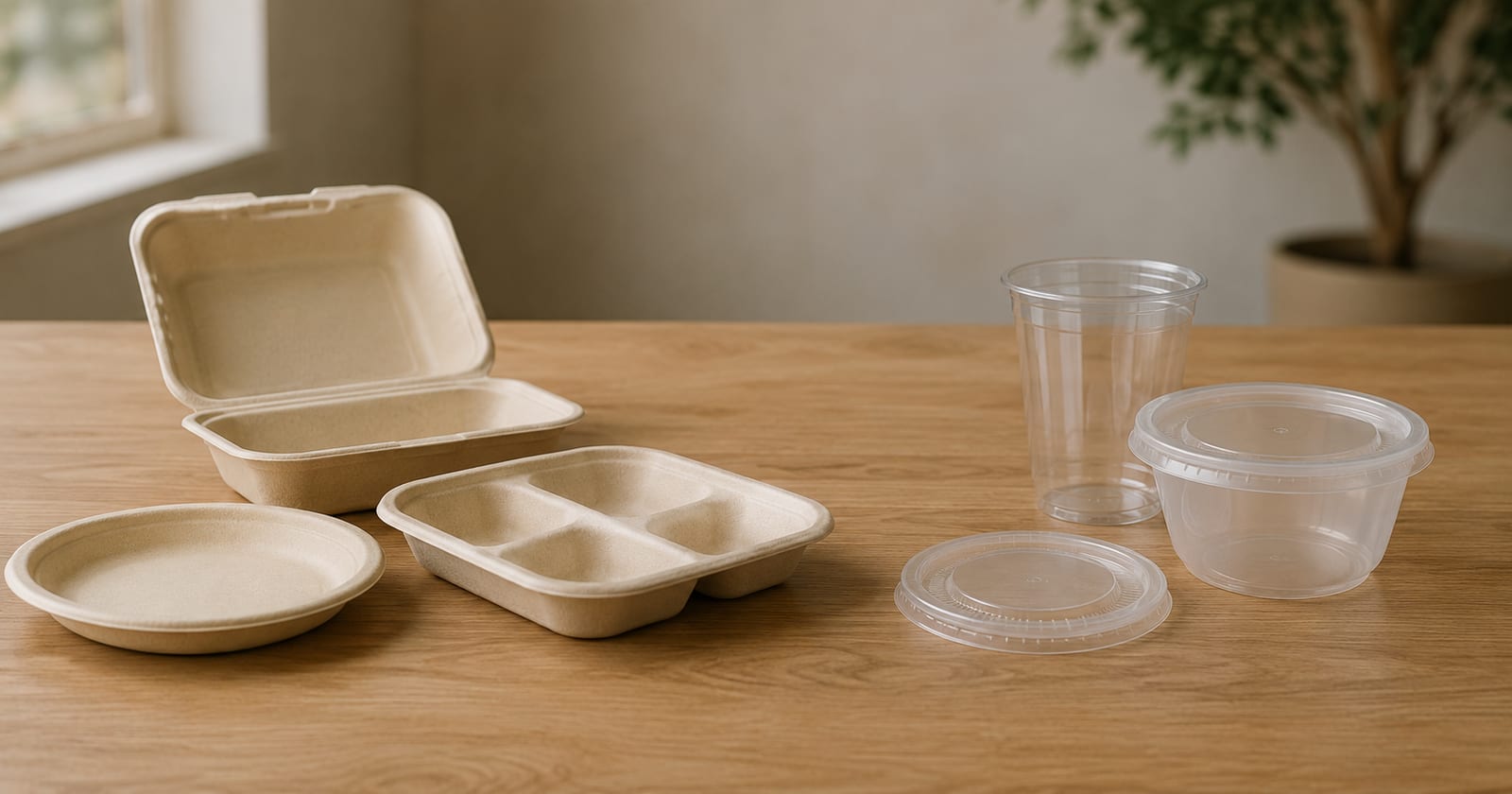
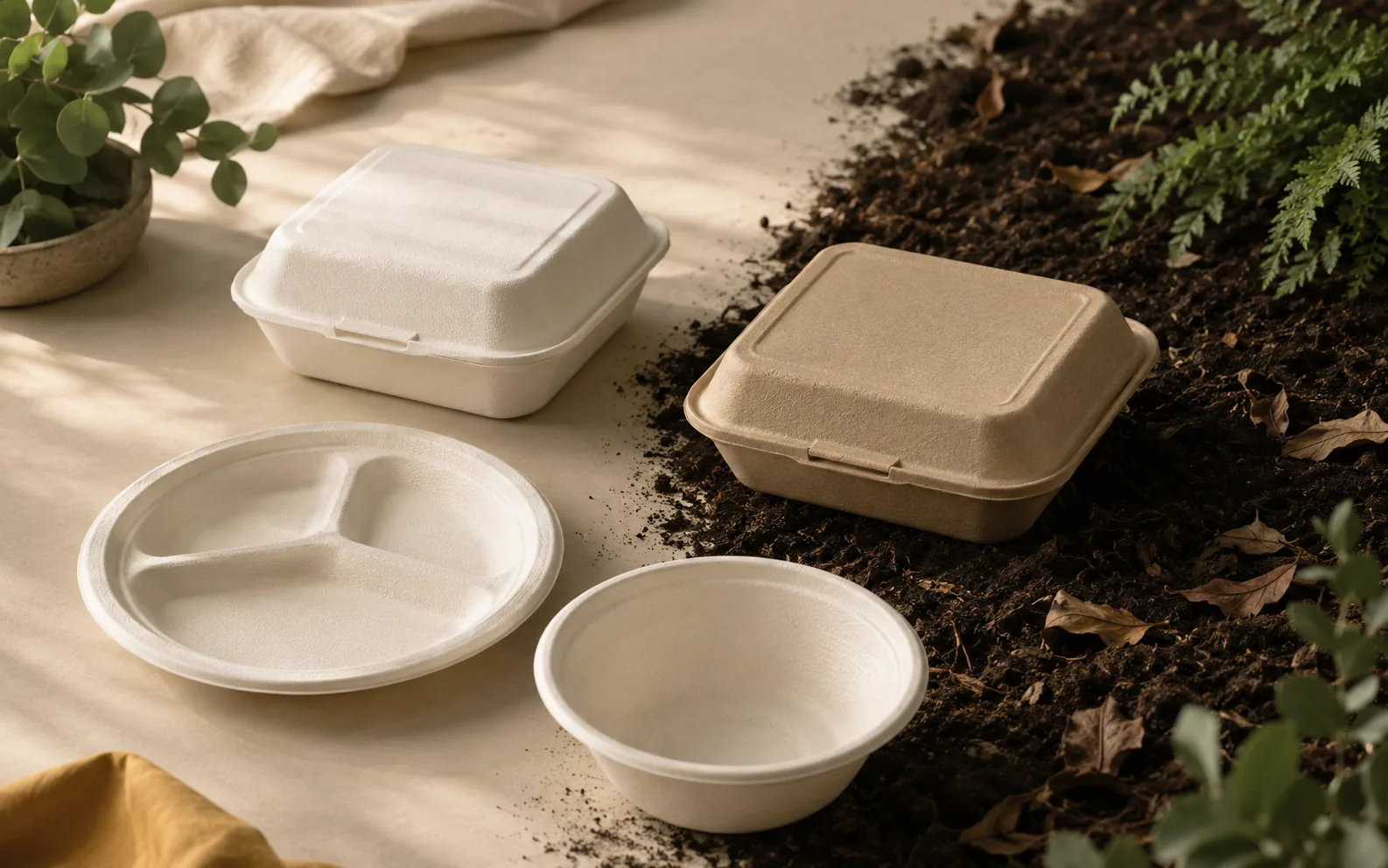
An uncoated moulded fibre item containing no plastic is not plastic packaging, so the plastic packaging categories do not reach it. That is a materials question with a documentary answer, and it is settled before any category discussion begins.
Add a lining and the assessment changes. What it does not do is resolve itself in your favour because the lining is compostable. Classification follows construction, so a fibre and plastic laminate is assessed on how it is built.
Compostable has a category, not an exemption
This is where the common assumption fails. Compostable plastics were not placed outside the framework. They were given a place inside it.
Since the March 2024 amendment, Category IV covers carry bags and commodities made of compostable plastics along with packaging sheet, and Category V carries the same wording for biodegradable plastics. Compostable plastics must conform to IS/ISO 17088:2021.
The minimum recycling levels make the point plainly. Categories I and IV run at 50, 60, 70 and 80 percent across 2024-25 to 2027-28. Compostable packaging sits on the same track as rigid plastic, not an easier one.
The label settles the home compostable question
The Rules create no home compostable category, and the mandatory labelling points the other way. Rule 11(3) requires every compostable pack to carry the words Compostable only under industrial composting.
So a home compostable claim made about product sold into India is not a stronger claim than the regulation asks for. It is a claim the regulation does not recognise.
Where this leaves a sourcing decision
Three checks, in this order, before a quote is worth comparing:
- Is it plastic packaging at all, and on what construction.
- Which category applies, III, IV or V, and on what evidence.
- Which certificate is being shown, and whether it is the one Indian law actually asks for. A certificate under another scheme does not displace IS/ISO 17088:2021 or the CPCB requirement. Which standard sits behind which certificate is set out in the comparison of ASTM D6400, D6868, EN 13432 and IS/ISO 17088.
For uncoated bagasse fibre the first check usually ends the enquiry, which is a commercial advantage worth stating precisely rather than loosely. The compliance questions that do apply to it are food-contact questions, set out in our guide to FSSAI packaging and labelling regulations, and the documents a distributor should expect are listed on our certifications page.
Published in Packaging South Asia
The full analysis, including the Category III construction test, the biodegradable labelling requirement under Rule 11(4), the CPCB verification procedure and how the same lining decision is priced under the UK regime, was published on 2 September 2026 as What counts as compostable under Indian law? And what does that do to your EPR obligation? in Packaging South Asia.
Sourcing moulded fibre tableware for the Indian market? See wholesale supply and MOQs or request a quote with your volumes and we will send the applicable documentation with it.
Want guides like this in your Google results?
Add Ecofy as a preferred source. Google will surface our compliance standards and trade-data guides more often when you search packaging rules, including in AI Overviews. Takes one click and you can remove it any time.