Bagasse vs Polystyrene Foam: Compostable Alternative
Foam (styrofoam/EPS) foodware is being banned. See how compostable bagasse replaces foam clamshells, trays and cups on performance, cost and compliance.
On this page
Sourcing in bulk?
Tell us your products and quantity
We supply distributors and brands in 30+ countries, and reply with pricing, lead time and shipping.
TL;DR: Expanded polystyrene foam (EPS, often called styrofoam) is cheap and insulates well, but it is being banned across a widening list of markets, is almost never recycled in practice, and breaks down into microplastics. Moulded bagasse is the closest like-for-like replacement: it covers the same clamshells, trays, plates, bowls and takeaway containers, handles hot and oily food, is compostable, and is compliant where foam is prohibited. Foam keeps a small edge only on raw insulation and unit price, both of which disappear the moment a foam ban applies. For operators being pushed off foam, bagasse is the practical switch. Verify PFAS-free regardless of material.
When a foam ban lands in your market, the question is not whether to switch but what to switch to. For most foodservice formats the answer is moulded bagasse, because it maps almost one-to-one onto the foam items being removed. This guide compares foam and bagasse neutrally for B2B buyers, on the points that actually decide a switch: why foam is being banned, how the two perform, what they cost, and which bagasse products replace which foam items.
What Bagasse and Foam Packaging Actually Are
Sugarcane bagasse (moulded fibre)
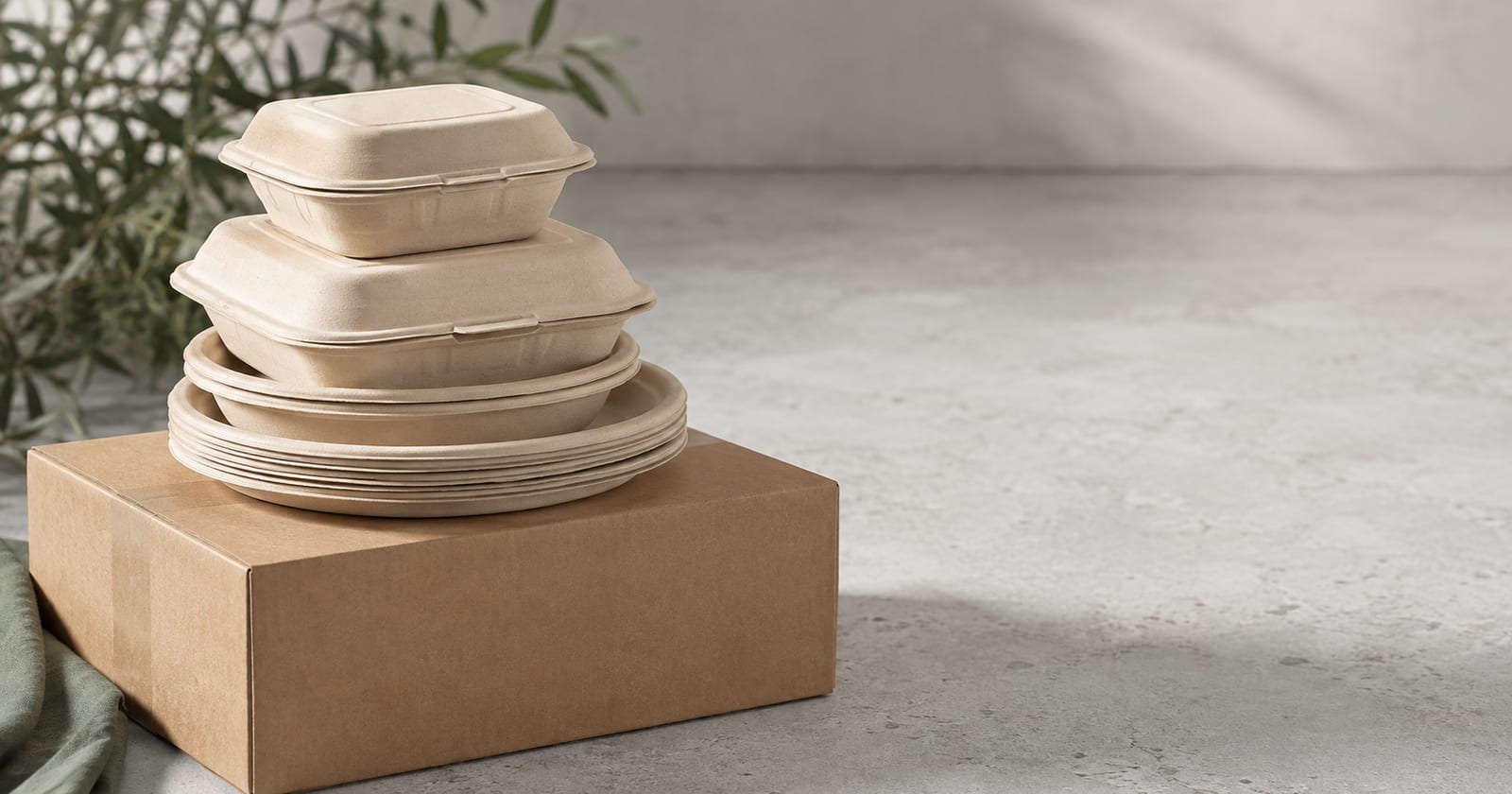
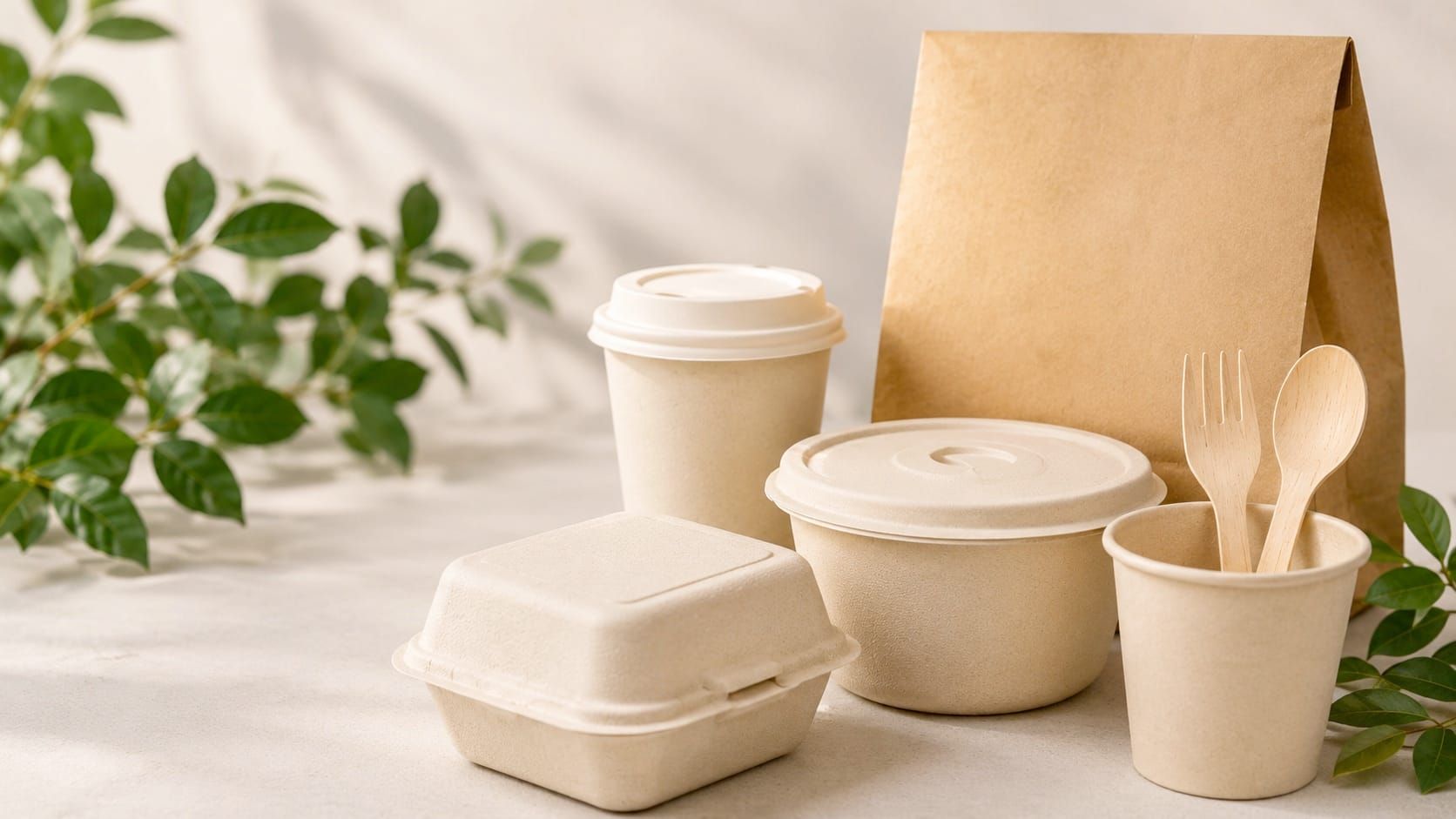
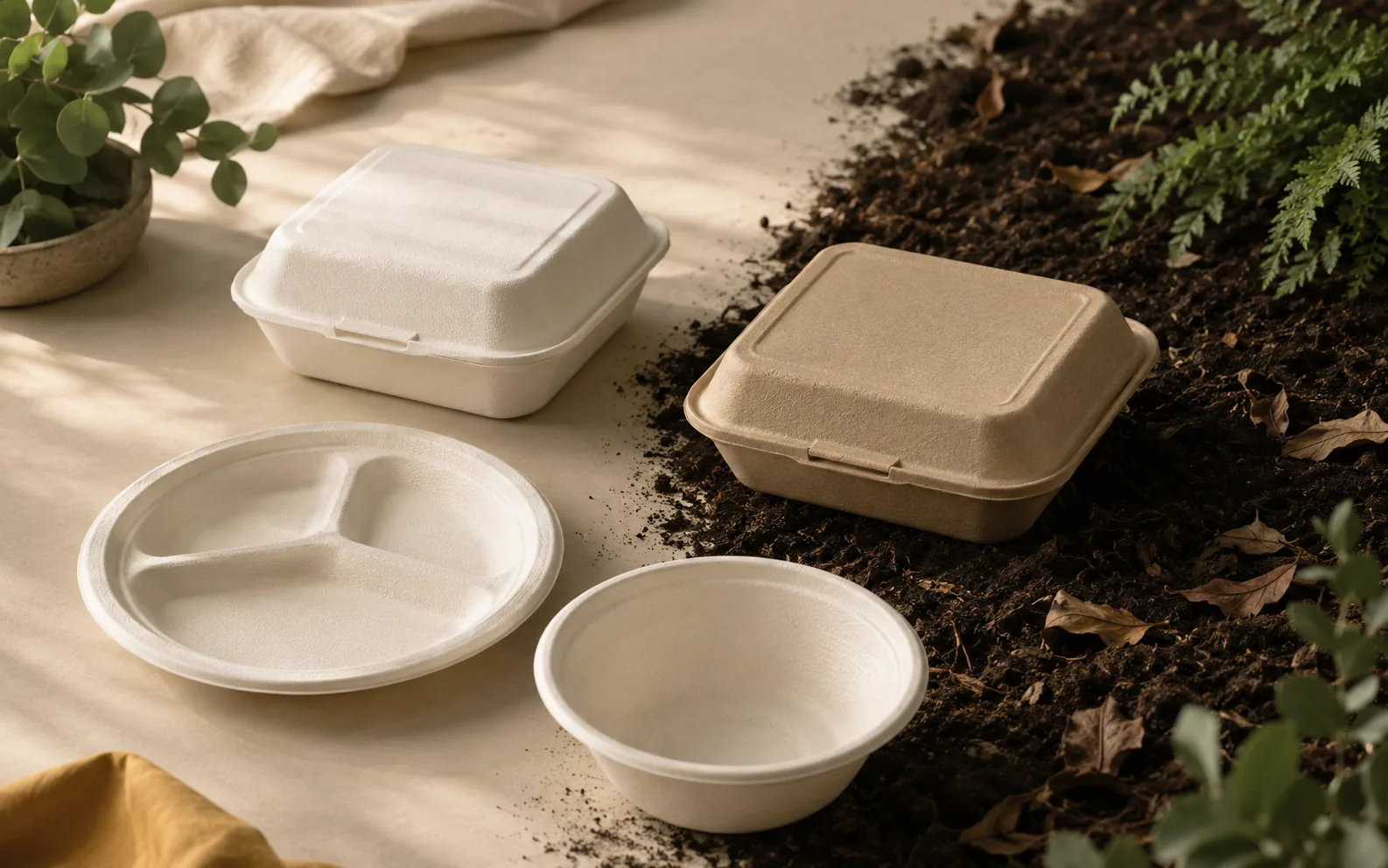
Bagasse is the fibrous residue left after sugarcane stalks are crushed for juice, a renewable agricultural by-product rather than a fossil feedstock. It is pressed under heat and pressure into plates, bowls, clamshells, trays and takeaway containers, and it is plant-based, biodegradable and compostable.
Expanded polystyrene foam (EPS)
Foam foodware is expanded polystyrene, a petroleum-based plastic blown with air into a light, insulating foam, commonly called styrofoam, and known as thermocol in India and much of Asia. By volume it is roughly 95 to 98 percent trapped air and only a few percent actual plastic, which is exactly what makes it so light and such a good insulator, and also what makes it uneconomical to collect and recycle. It is cheap and keeps food hot or cold well, which is why it dominated takeaway for decades. But it is not biodegradable, is rejected by most recycling systems, and fragments into microplastics that persist in the environment.
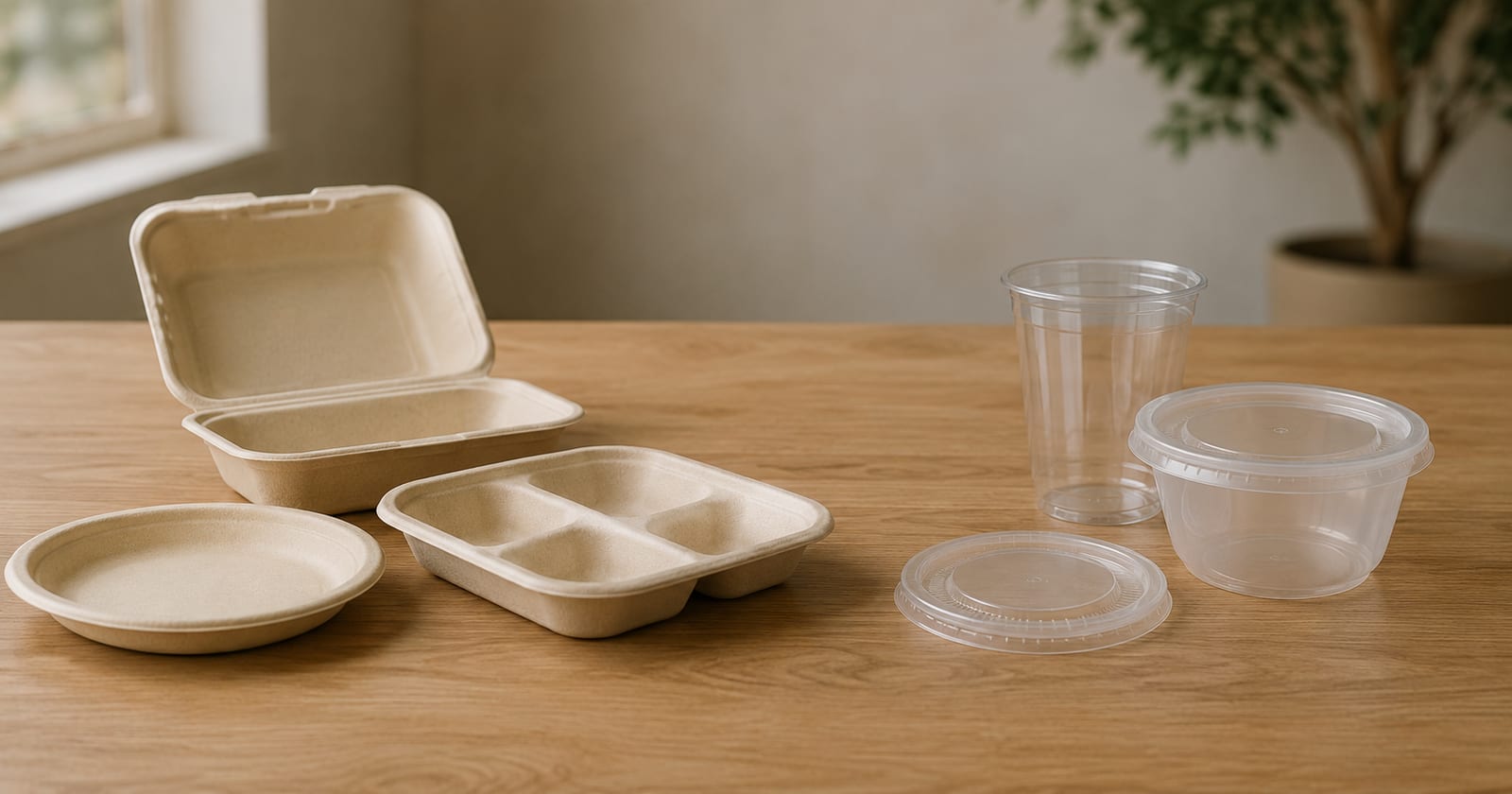
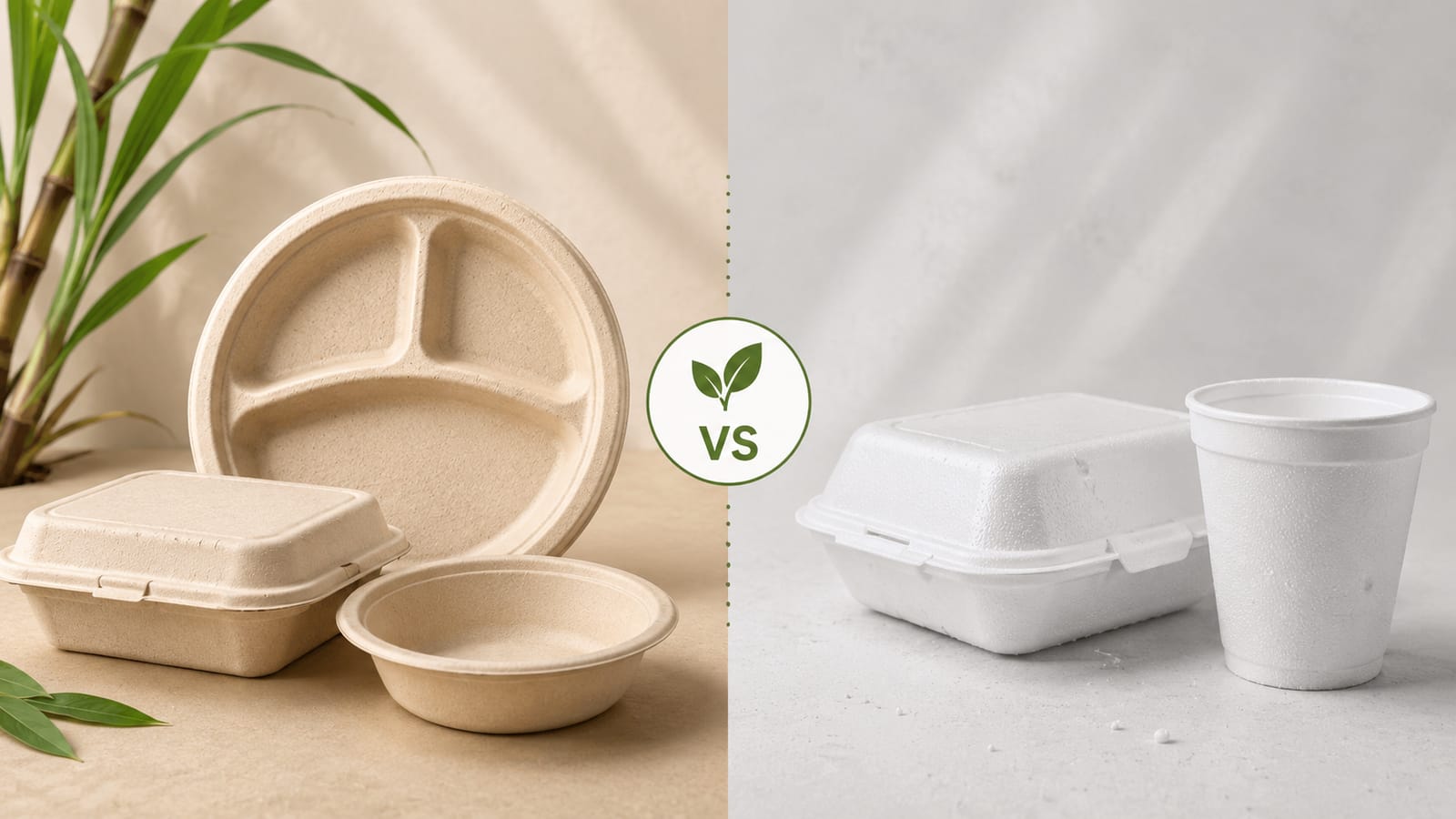
Bagasse vs Foam at a Glance
| Factor | Moulded bagasse | Foam (EPS) |
|---|---|---|
| Material | Renewable sugarcane fibre | Petroleum-based plastic |
| Compostable | Yes (industrial) | No |
| Recyclable in practice | Composting, not kerbside | Rarely accepted |
| Hot and oily food | Handles well | Handles well, can soften |
| Insulation | Good | Slightly better |
| Microwave and freezer | Most formats safe | Often not recommended |
| Regulatory status 2026 | Compliant in ban markets | Banned in a growing list |
| Unit price | Modest premium | Cheapest, where still legal |
| End of life | Composts in ~60-90 days | Landfill, litter, microplastics |
Why Foam Foodware Is Being Banned
Foam is being singled out ahead of other plastics for a reason. It is almost never recycled, because it is light, bulky and easily contaminated by food, so kerbside programmes reject it. In practice under a tenth of expanded polystyrene is ever recycled, and in many regions the real figure sits closer to one or two percent, so the rest goes to landfill or escapes as litter. It breaks into small persistent pieces that are a leading source of litter and marine pollution. And it is hard to clean up once dispersed. A widening list of US states and cities, and other markets internationally, now enforce a foam ban, also written as an EPS or polystyrene ban, that prohibits expanded polystyrene foodservice ware outright. For a distributor or operator, that turns foam from a cost saving into a compliance dead end: in a ban market it cannot legally be sold at all. You can check the rules for your specific market with our compliance checker.
Performance: Does Bagasse Match Foam?
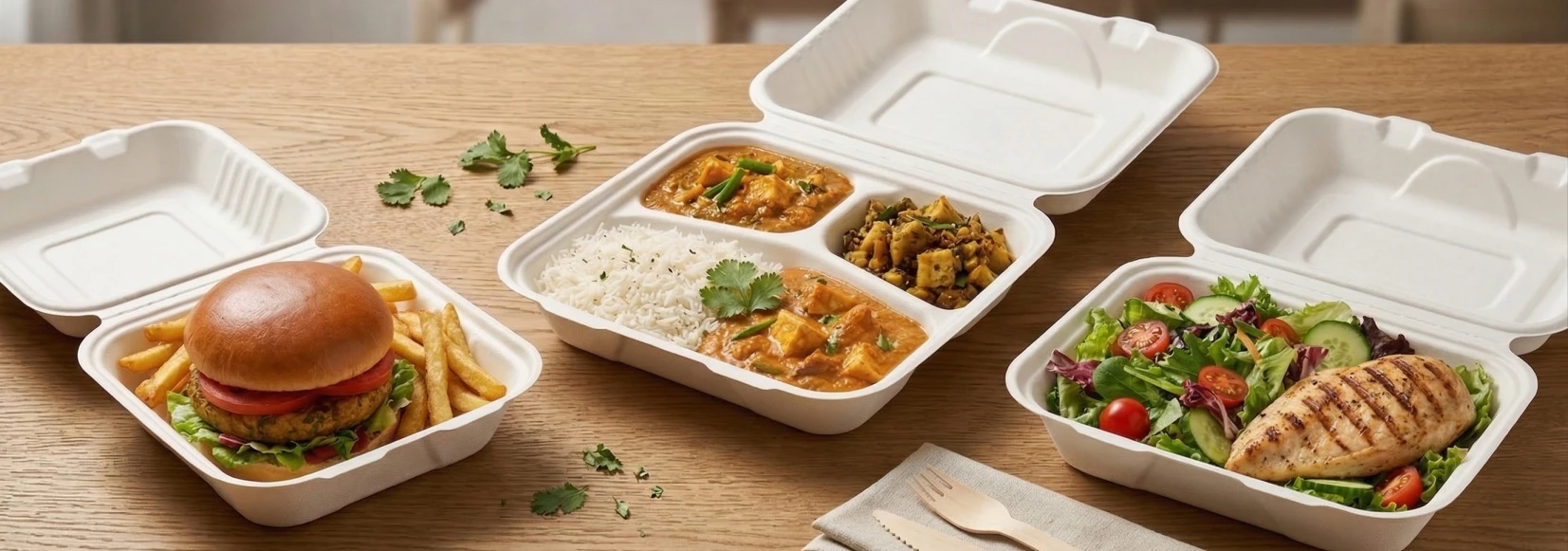
On the things that matter for takeaway, bagasse holds up. Moulded bagasse is designed for hot, wet and oily food, is naturally grease-resistant, and stays rigid where thin foam can soften or crack under a heavy hot meal. It is sturdier for meals eaten with cutlery straight from the container, and most formats are microwave and freezer friendly, which foam often is not.
One fair objection buyers raise is moisture. Because bagasse breathes rather than sealing food inside like foam, a hot, steamy meal left closed can build condensation, which is where the “soggy food” complaint about cheap fibre comes from. In practice this is a specification question, not a reason to stay on foam: vented lids or perforations handle fried and steamed items, and dense, well-formed bagasse holds its structure far better than thin economy fibre. Match the format to the food and the problem disappears.
Foam has one genuine advantage: raw thermal insulation. It keeps food marginally hotter for longer. In practice the gap is small over normal takeaway timeframes, and a bagasse container with a matching lid closes most of it. For the large majority of foodservice applications, the performance difference is not a barrier to switching.
Environmental Impact and End-of-Life
This is where the two diverge sharply. Foam is fossil-based, is not composted or realistically recycled, and persists for a very long time as microplastic fragments. Bagasse is made from a crop residue and, uncoated, composts in industrial conditions typically within 60 to 90 days. The environmental case is the reason the bans exist, and it is the story buyers can tell their own customers after switching. See is bagasse compostable for the standards behind the composting claim.
Bagasse vs Foam Cost
Foam is the cheaper material per unit, there is no need to pretend otherwise. But unit price is only meaningful where foam is still legal. Once a ban applies, foam has no usable cost, because it is off the table. Where both remain permitted, the gap narrows on a total landed-cost basis once plastic taxes, disposal costs and compliance risk are counted. For buyers planning ahead of a ban, switching early avoids a rushed, more expensive changeover later.
Which Bagasse Products Replace Which Foam Items
The switch is close to like-for-like:
- Foam clamshells and hinged to-go boxes to bagasse clamshells
- Foam meat and produce trays to bagasse trays
- Foam plates and bowls to bagasse plates and bowls
- Foam takeout and takeaway containers to bagasse takeaway containers
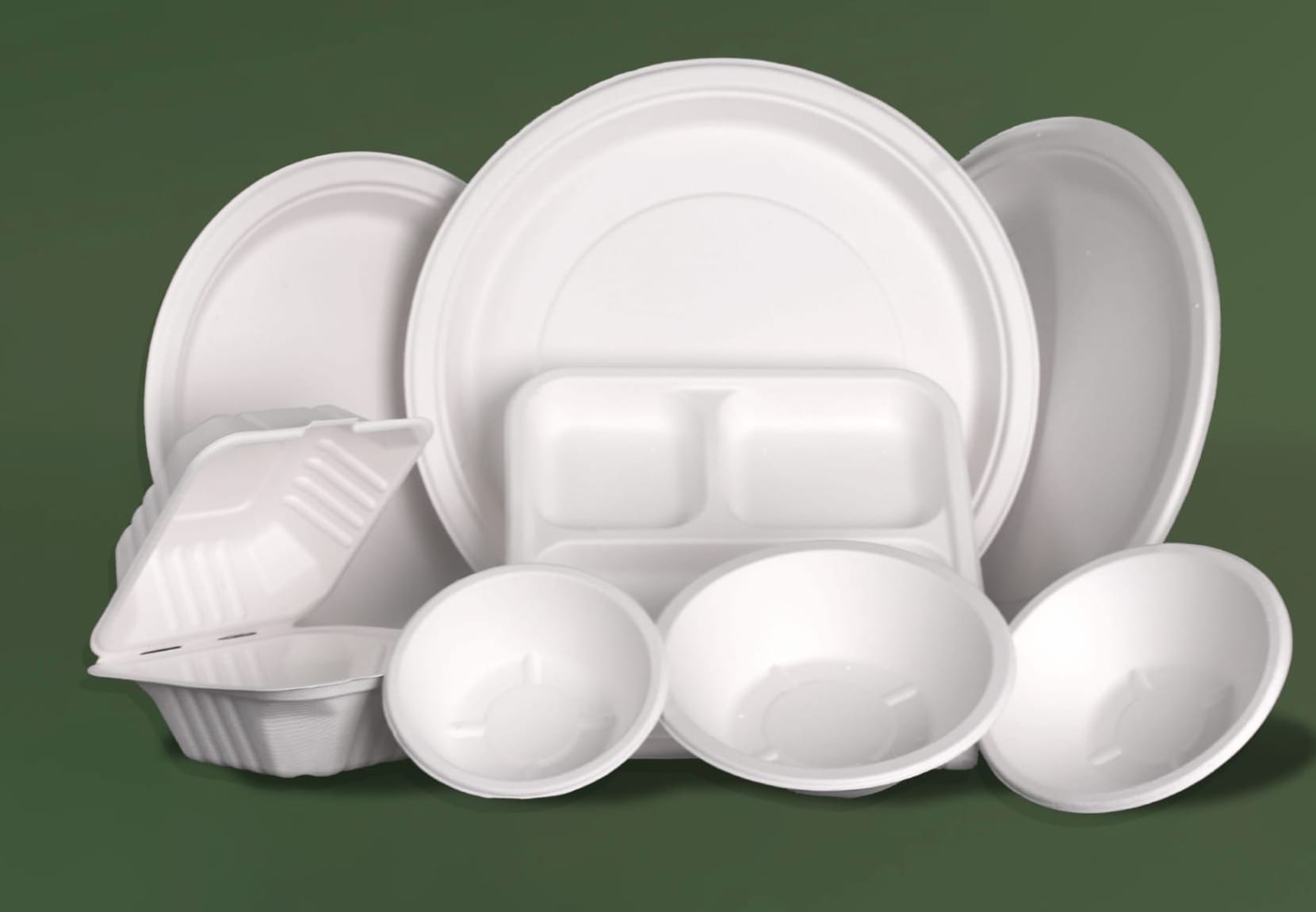
Because the formats map directly, most operators can replace a foam range with an equivalent bagasse range without redesigning their service. For guidance on sourcing the switch in bulk, see how to choose a compostable tableware supplier.
Making the Switch
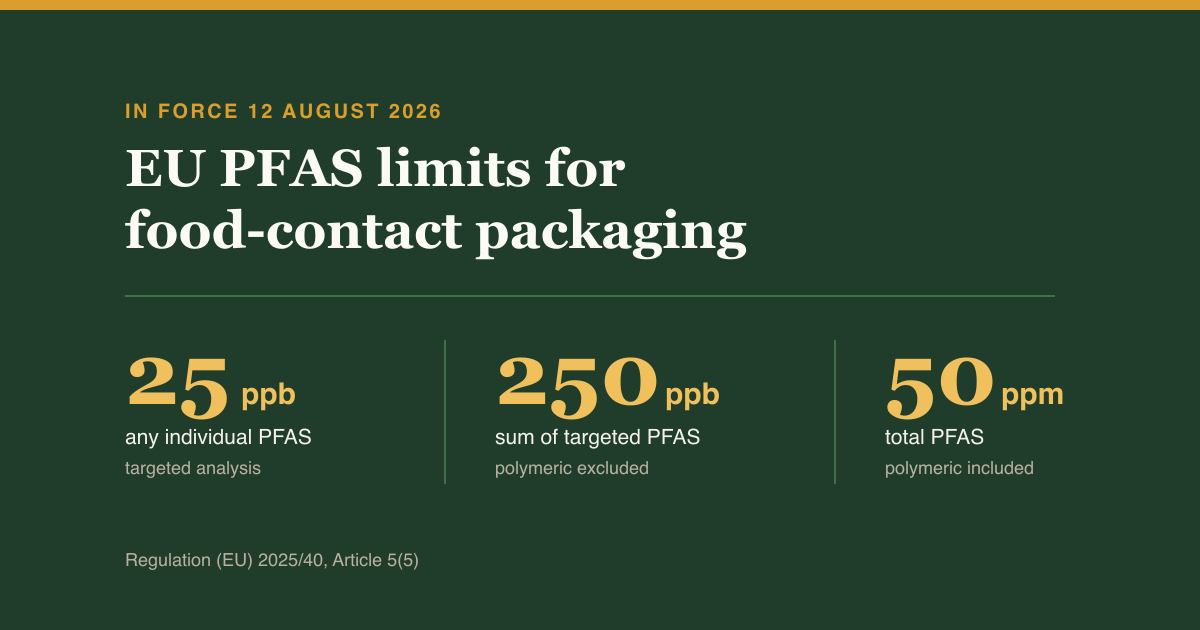
As a factory-direct manufacturer shipping compostable bagasse foodware to distributors in over 30 countries since 2020, Ecofy maps each foam item a buyer is replacing, clamshells, trays, plates and cups, to a like-for-like bagasse format, with PFAS-free test reports (SGS and Intertek) supplied for regulated markets.
If your market has banned foam, or is about to, bagasse is the practical replacement: same formats, compostable end-of-life, and compliant where foam is not. Confirm PFAS-free test reports for regulated markets, and match each foam item to its bagasse equivalent. To compare specifications or plan a bulk changeover, request a quote and samples and we can map your current foam range to compliant bagasse formats.
Sources. EU position: European Commission, single-use plastics, under which expanded polystyrene food and beverage containers have been prohibited across member states since July 2021. California: CalRecycle, SB 54 permanent regulations. Recycling context: US EPA, recycling. Compostability of the fibre alternative: TÜV Austria OK compost INDUSTRIAL and BPI, ASTM compostability standards. State and municipal foam restrictions vary by jurisdiction and change frequently, so confirm the current position for your destination market. Verified 14 August 2026.
Want guides like this in your Google results?
Add Ecofy as a preferred source. Google will surface our compliance standards and trade-data guides more often when you search packaging rules, including in AI Overviews. Takes one click and you can remove it any time.