Single-Use Plastic Bans 2026: Foodservice Buyer's Tracker
California SB 54, EU Packaging Regulation, India SUP ban and UK Plastic Tax. What's enforced and what's coming for foodservice procurement teams.
On this page
Sourcing in bulk?
Tell us your products and quantity
We supply distributors and brands in 30+ countries, and reply with pricing, lead time and shipping.
Single-use plastic bans are no longer a future risk for foodservice procurement teams. They are active rules that buyers must plan around now. Across the markets Ecofy serves (United States, India, UK and EU, MENA), six major regulatory regimes either took effect or moved into enforcement during 2025 and 2026. This article tracks the active rules and the deadlines worth marking on every sourcing calendar.
Key takeaways
- Single-use plastic rules are active now, not a future risk, across the US, EU, UK, India, and the GCC through 2026 to 2030.
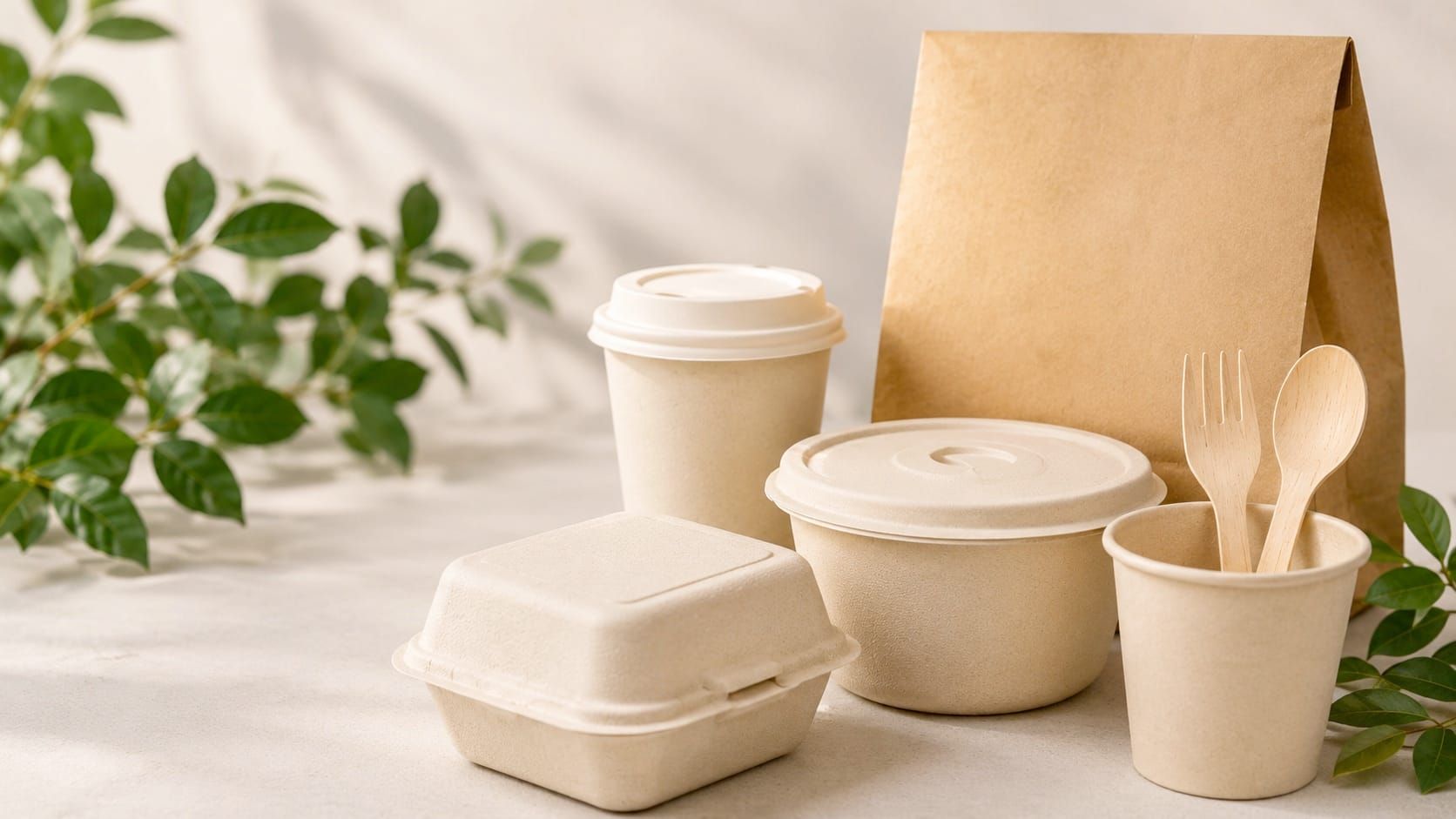
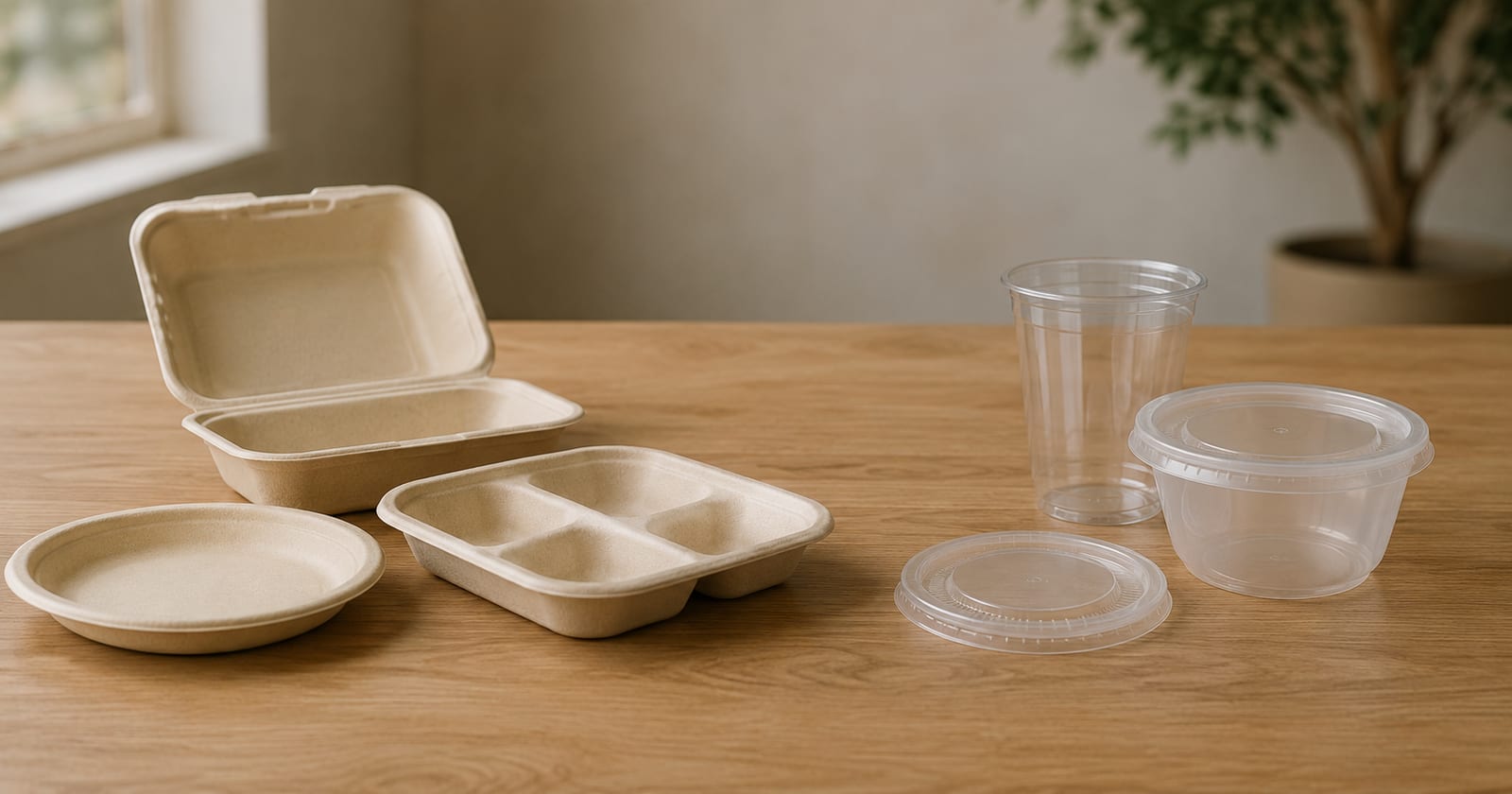
- Compostable bagasse (EN 13432 in the EU and UK, IS/ISO 17088:2021 in India) remains a workable route for takeaway and delivery where reuse is impractical. For buyers choosing a replacement, see how bagasse compares with conventional plastic.
- Bagasse sits outside the UK Plastic Packaging Tax and India’s single-use plastic ban.
- Certification (BRCGS, EN 13432, ASTM D6400) is now demanded at supplier evaluation, not as a post-PO formality.
| Market | Regulation | Status | Key date | What buyers must do |
|---|---|---|---|---|
| US (California) | SB 54 | Permanent regulations in effect (2026) | 100% recyclable/compostable by 2032 | Move covered packaging to recyclable or compostable; track source-reduction milestones |
| EU | PPWR (2025/40) | In force; general application 12 Aug 2026 | Most measures from 12 Aug 2026 | Confirm recyclability; hold current EN 13432 where reuse is impractical |
| India | SUP ban + EPR (PWM Rules) | Enforced since 1 Jul 2022 | Ongoing | Use IS/ISO 17088:2021 compostables; meet EPR obligations on any plastic packaging |
| UK | Plastic Packaging Tax | In force since 1 Apr 2022 | £228.82/tonne (from Apr 2026) | Pay tax on <30% recycled plastic, or switch to non-plastic |
| UAE | Single-use plastic phase-out | Phased, expanding through 2026 | Final Dubai phase 1 Jan 2026 | Replace banned single-use plastic items with approved alternatives |
| Saudi Arabia | Vision 2030 sustainability mandates | Developing | Project-specific | Confirm packaging specs with project/hotel operators |
United States: California SB 54 leads the federal vacuum
With no federal single-use plastic ban in place, U.S. enforcement has shifted to state level. California Senate Bill 54, signed in 2022 with permanent CalRecycle regulations taking effect in 2026, requires all covered single-use packaging sold in the state to be recyclable or compostable by 1 January 2032. Interim milestones begin earlier:
- 2027: 10% source reduction in single-use plastic packaging
- 2028: 30% recycling rate for plastic covered material
- 2030: 20% source reduction
- 2032: 25% source reduction, 65% recycling rate for single-use plastic, and 100% of covered material recyclable or compostable
New York, Washington, Oregon, and other states have parallel EPR legislation. For QSR chains operating across multiple U.S. states, the practical answer is to standardize on compostable now rather than maintain dual SKU programmes.
European Union: Packaging Regulation 2025 enters direct application
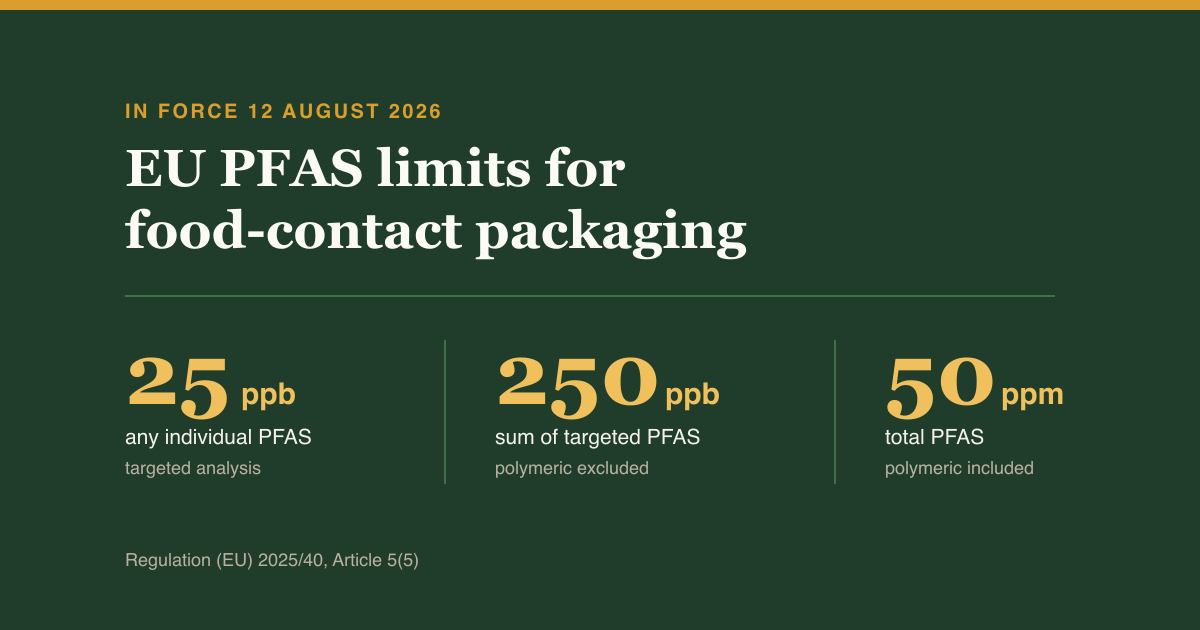
The EU Packaging and Packaging Waste Regulation (PPWR, Regulation 2025/40) entered into force on 11 February 2025 and replaces the 1994 Packaging and Packaging Waste Directive. Most of its requirements apply from 12 August 2026, with specific obligations phased in between 2027 and 2030. Unlike the directive it succeeds, the PPWR applies directly across all 27 member states, with no national transposition needed.
Headline measures relevant to foodservice (specific dates phase in over the implementation period):
- Mandatory reuse and refill targets affecting the HORECA sector, phasing in toward 2030
- Restrictions on certain single-use packaging formats in restaurants and cafes
- A requirement that packaging placed on the market be recyclable, with recyclability criteria tightening over time
For Ecofy’s European customers, the practical impact is that EN 13432-certified compostable packaging remains a workable option where reuse is impractical (delivery, takeaway). See our EU packaging regulation guide for detail, and confirm your supplier holds current EN 13432 certification, since expired certificates do not satisfy the regulation.
India: Single-Use Plastic ban extended, EPR enforced
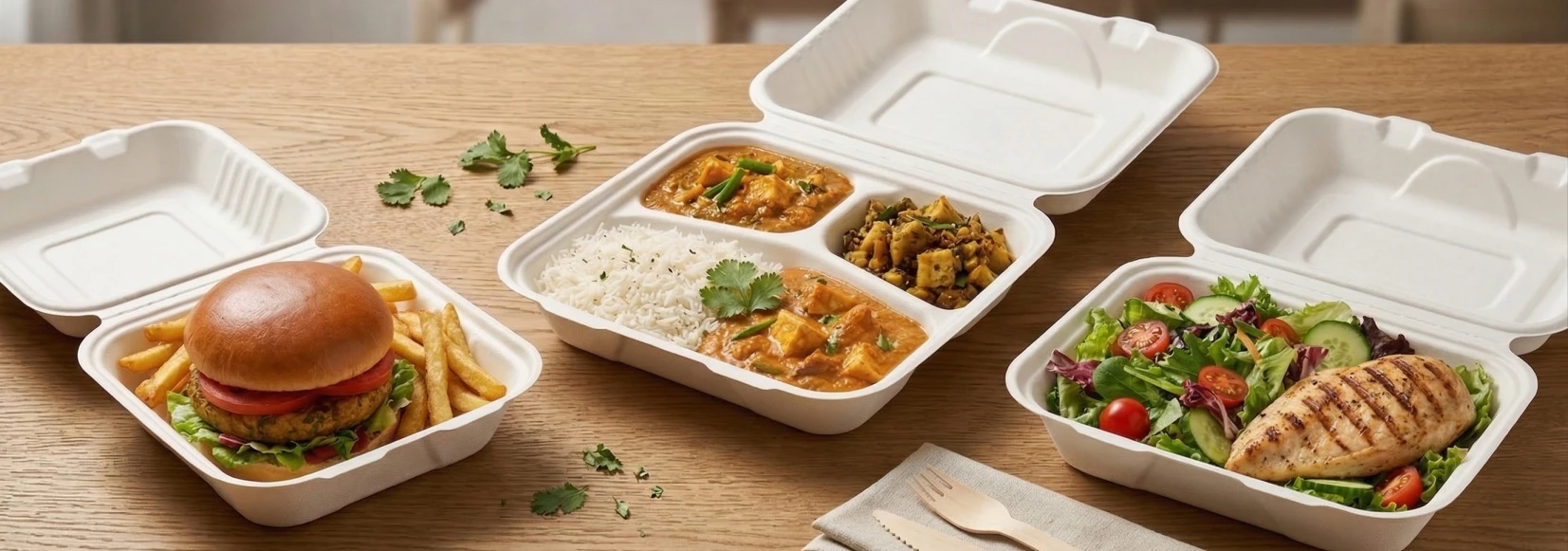
India’s Single-Use Plastic Ban took effect on 1 July 2022 and prohibits manufacture, import, stocking, distribution, sale, and use of 19 identified single-use plastic items, including plastic cutlery, plates, cups, straws, stirrers, and polystyrene for decoration. Compostable items meeting Indian Standard IS/ISO 17088:2021 are not covered by the ban. For foodservice, compostable bagasse is the usual alternative to foam and polystyrene.
Parallel enforcement comes from Extended Producer Responsibility (EPR) rules under the Plastic Waste Management Rules 2016 (amended 2022). Producers, importers, and brand owners are responsible for collection, recycling, or end-of-life management of the plastic packaging they introduce into the market.
For QSR chains and cloud kitchens operating in India, bagasse is a practical default: manufactured domestically for the Indian market, FSSAI-compliant, and outside the scope of the banned single-use plastic list. EPR obligations attach to plastic packaging; confirm your specific category treatment with current CPCB guidance, as the rules are amended periodically.
United Kingdom: Plastic Packaging Tax tightens
The UK Plastic Packaging Tax (PPT), in force since 1 April 2022, charges £228.82 per tonne (rate from 1 April 2026, reviewed each April) on plastic packaging containing less than 30% recycled content. For foodservice operators importing or producing plastic clamshells, this adds a meaningful per-tonne cost to virgin polypropylene; the exact percentage of landed cost depends on resin price and pack weight, so model it against your own buy.
Compostable bagasse alternatives are not liable for PPT. See our UK Plastic Tax guide for how the switch is typically costed.
MENA: UAE Green Agenda 2030 and Saudi Vision 2030 mandates
The UAE has rolled out a phased single-use plastic restriction at federal and emirate level. Abu Dhabi banned single-use plastic bags in 2022, a UAE-wide single-use bag prohibition took effect in 2024, and the ban has since expanded to additional items such as polystyrene cups, plates, containers, stirrers, and straws through 2025 and 2026. Dubai’s final phase, covering items including plastic plates, cutlery, and beverage cups and lids, takes effect on 1 January 2026. Sharjah’s plastic bag restrictions applied from 2024. The “Green Agenda 2030” sits within the UAE’s broader environmental strategy; treat the umbrella branding as context and track the specific dated bans above.
Saudi Arabia’s Vision 2030 includes broad sustainability and circular-economy mandates, and giga-projects such as NEOM publish their own procurement and environmental specifications. Compostable materials, including bagasse, are generally well placed against these specifications, but confirm acceptance against the specific project or hotel operator’s published requirements rather than assuming blanket approval.
What this means for procurement teams in 2026
Three structural shifts are reshaping the sourcing decision for foodservice packaging:
- Multi-market consolidation: A QSR or hotel chain operating across the U.S., EU, and MENA can no longer maintain separate plastic SKU programmes cost-effectively. The compliance overhead exceeds the unit-cost saving.
- Certification has moved upstream: Buyers demand BRCGS, EN 13432, and ASTM D6400 documentation at the supplier-evaluation stage, not as a post-PO formality.
- Plastic-tax exposure as a P&L line item: UK PPT and similar mechanisms in EU member states add a measurable cost to plastic packaging on procurement reports. Compostable becomes the cost-favored option, not just the ESG-favored one.
Ecofy supplies BRCGS Grade A certified compostable plates, bowls, trays, takeaway containers, PET lids, and clamshells across all markets covered above, with documentation pre-cleared for U.S., EU, UK, India, and GCC import.
Need compliant packaging for a multi-market programme? Request a sample and we’ll share the matching certification pack.
Want guides like this in your Google results?
Add Ecofy as a preferred source. Google will surface our compliance standards and trade-data guides more often when you search packaging rules, including in AI Overviews. Takes one click and you can remove it any time.